

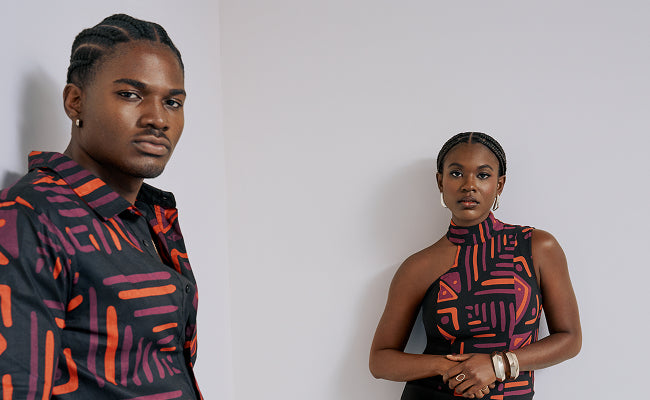
Family Fits for Black History Month: Matching Looks, Big Meaning

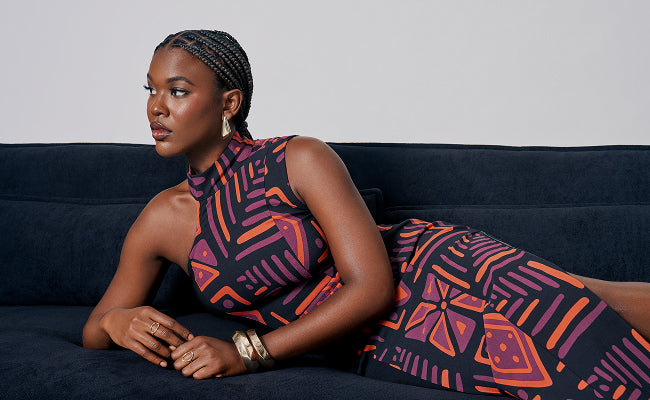
Camp. Nanya Women's African Print Corset Dress (Plum Black Tribal)
Black History Month is often experienced together. Families attend school events, community programs, worship services, museum visits, and cultural celebrations as a unit. In those moments, what a family wears becomes more than individual expression; it becomes a shared statement.
Matching family outfits during Black History Month is not about aesthetics alone. When done thoughtfully, they communicate unity, respect, and intention. When done carelessly, they can drift into performance or symbolism without substance.
This guide explores how families can dress for Black History Month together, not as a costume, not as a trend, but as a meaningful extension of values, history, and shared presence.
TL;DR
Family outfits for Black History Month should prioritize coordination. Choose shared colors, textures, or themes rather than identical pieces. Avoid costume-like looks, focus on comfort and authenticity, and let meaning come from intention, not overt symbolism.
Why Family Outfits Matter During Black History Month
When families show up together during Black History Month, they bring visibility with them. That visibility can feel powerful, especially for children who are learning how identity, culture, and history show up in real life.
Family outfits:
- Create a sense of belonging for children
- Signal shared values without explanation
- Turn everyday events into teachable moments
Clothing becomes part of how children learn that history is not abstract. It is lived. It is present. And it can be honored thoughtfully, even in small choices.
Should Families Match for Black History Month?
Matching does not have to mean identical.
What Coordination Means in Practice
Instead of everyone wearing the same shirt, families can align through:
- A shared color palette
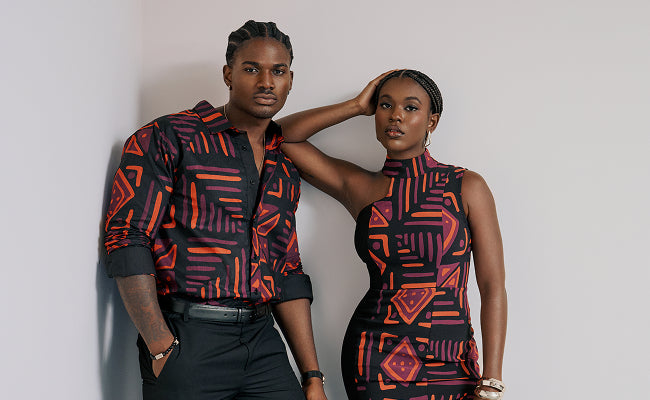
- Same print
- Complementary silhouettes
- A unified level of formality
Coordination allows each person to maintain individuality while still presenting a cohesive family presence.

African-Inspired Matching Family Fits
What Does “Meaningful Coordination” Actually Look Like?
Meaningful family outfits are built on intention, not novelty.
They usually share three traits:
1. Consistency with Matching Prints
Each family member’s outfit feels appropriate for their age and comfort level, while still fitting into a broader visual story.
2. Cultural Awareness Without Costume
The clothing respects cultural references without exaggeration or caricature.
3. Comfort That Supports Participation
Children and adults can move, sit, learn, and engage without fussing over what they’re wearing.
When those three elements align, the outfits feel natural rather than staged.
Family Outfit Ideas for Different Black History Month Events
Different events call for different levels of coordination.
For School Events and Assemblies
These settings are educational and often child-centered.
What works well:
- Neutral base outfits with one shared accent color
- Comfortable silhouettes that allow movement
- Simple accessories that don’t distract
For example:
- Parents in neutral outfits with subtle color accents
- Kids in age-appropriate clothing that echoes the same color family
Avoid forcing children into clothing they don’t understand or feel comfortable wearing.
For Worship Services or Faith-Based Gatherings
Worship emphasizes reverence and unity.
Effective family choices include:
- Coordinated formal or semi-formal outfits
- Muted or rich tones (navy, burgundy, earth tones)
- Modest, polished silhouettes across all ages
Here, coordination often feels most natural because families already tend to dress with intention.
For Community Events, Museums, and Cultural Programs
These spaces allow for more expression.
Families can:
- Mix modern silhouettes with heritage-inspired details
- Introduce meaningful accessories or jewelry
This is often where conversations start, not because outfits are loud, but because they feel thoughtful.
How to Dress Kids for Black History Month Without Overdoing It
Children experience Black History Month differently depending on age. Clothing should support learning, not overwhelm it.
For Younger Children
Focus on:
- Comfort first
- Simple coordination with the family
- Familiar silhouettes
Avoid clothing that turns history into a “theme” they can’t contextualize.
For Older Children and Teens
Older kids may want more autonomy.
Support that by:
- Letting them choose within a coordinated palette
- Encouraging them to wear brands or pieces they connect with
- Using clothing as a conversation starter, not a directive
The goal is empowerment, not enforcement.
Can Families Wear African-Inspired Clothing Together?
This is where intention matters most.
African-inspired clothing can be meaningful when:
- It reflects family heritage or lived culture
- It is worn with understanding and respect
- It is not treated as a once-a-year costume
For families who regularly incorporate these styles, wearing them together during Black History Month can feel natural and affirming.
For others, coordination through color, print, or design influence may be the more respectful choice.
Color Stories That Work for Family Fits
Color is one of the easiest ways to coordinate without matching exactly.
Effective Family Color Palettes
- Earth tones (olive, rust, cream, brown)
- Jewel tones (emerald, sapphire, deep purple)
- Neutrals with one accent color
Avoid overly literal interpretations unless the event specifically invites them.
Subtlety often reads as confidence.
Supporting Black-Owned Brands as a Family Choice
One of the most impactful decisions families can make during Black History Month happens before the outfit is even worn.
Choosing Black-owned brands:
- Turns clothing into economic support
- Introduces children to modern Black creativity
- Extends Black History Month beyond symbolism
When families shop together with intention, it reinforces that history includes the present not just the past.
Common Mistakes Families Make With Matching Looks
Even well-meaning families can miss the mark.
Common pitfalls include:
- Treating outfits like costumes
- Forcing children into uncomfortable clothing
- Overloading looks with symbols
- Prioritizing photos over experience
The strongest family outfits support participation, not performance.
FAQ: Family Style for Black History Month
Do families have to match to show respect?
No. Respect is shown through awareness, engagement, and behavior not identical outfits.
Is it okay if only some family members coordinate?
Yes. Coordination does not require uniformity.
Should families wear message-based clothing?
Only if it aligns with the event and feels authentic beyond the moment.
Can families reuse these outfits later?
Ideally, yes. Clothing with meaning should live beyond one month.
Conclusion
Family outfits during Black History Month are not about visual impact alone. They are about shared presence, quiet alignment, and showing children that history is something you participate in not something you perform.
When families choose coordination over costume and intention over imitation, their outfits carry weight without demanding attention. The result is something far more lasting than a matching photo: a shared understanding that honoring history starts with how you show up together.








%0ABlack%20History%20Month%20is%20often%20experienced%20together.%20Families%20attend%20school%20events,%20community%20programs,%20worship%20services,%20museum%20vi...)
Leave a comment
This site is protected by hCaptcha and the hCaptcha Privacy Policy and Terms of Service apply.