
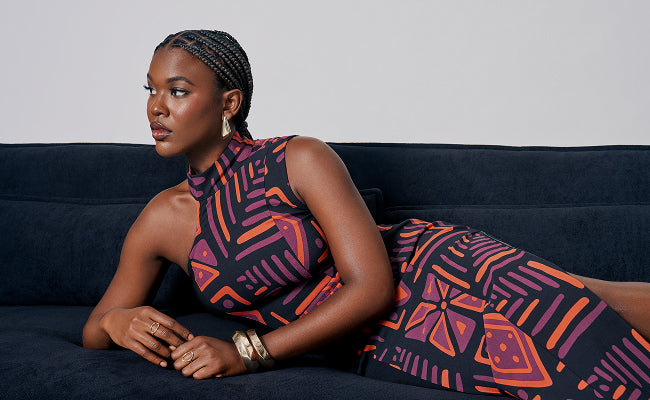

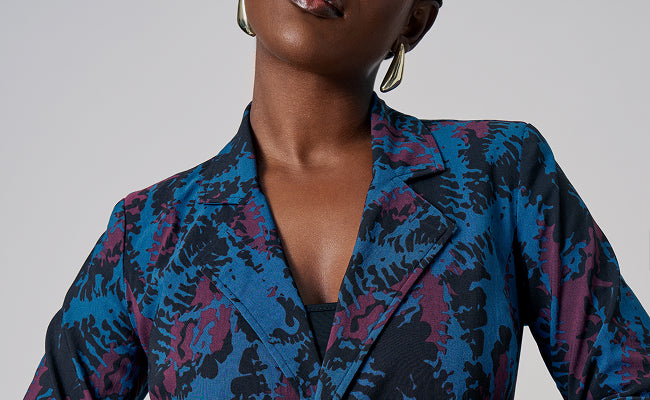
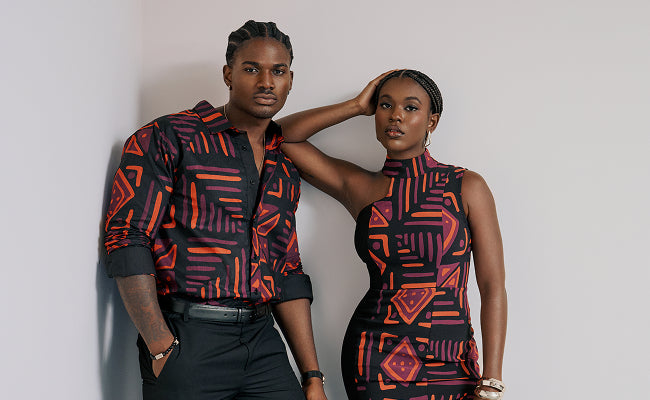

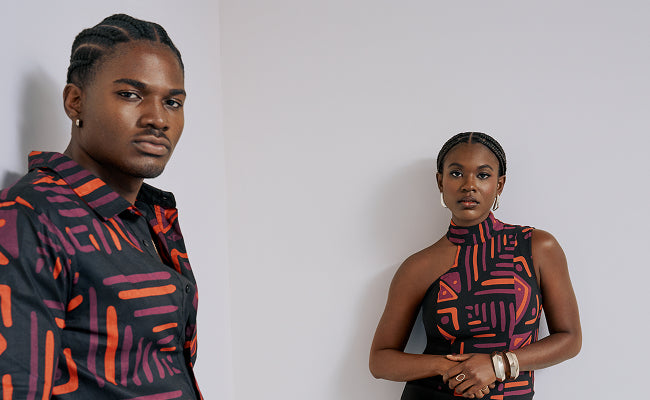
International Women’s Month Spotlight: Fashion as Expression and How African Women Use Style for Empowerment
International Women’s Month is a reminder that women have always shaped culture and history. They have done it in boardrooms and classrooms, in streets and sanctuaries, and yes, in what they choose to wear.
Across Africa and the African diaspora, fashion has long been more than “a look.” It is a language. It communicates pride, memory, resistance, and possibility. It also carries a deeper truth that belongs in this month’s spotlight. When women choose their style with intention, they are often choosing visibility, dignity, and self-definition.
International Women’s Day is observed globally on March 8, and its history is tied to women’s movements and labor activism. In that spirit, this post honors the many ways African women have used dress to express identity and build power, then and now.
This is fashion as empowerment. [Meaning: using style to gain confidence, control your image, and express identity.] Example: “I’m dressing like my story matters, because it does.”
TL;DR
International Women’s Month is the perfect time to name what African women have always known. Style can be a tool for empowerment. Across the African diaspora, women have used clothing, headwraps, and textiles to protect identity, signal solidarity, and reclaim visibility.
From the headwrap laws of colonial Louisiana to women-led movements in Nigeria and South Africa, fashion has been part of how women organized, resisted, and showed up with dignity. Today, that same spirit lives in everyday wardrobes through African prints, intentional styling, and heritage that moves with modern life.
Why International Women’s Month and fashion belong in the same conversation
International Women’s Month is not only about celebrating achievements. It is also about recognizing strategies women have used to survive, lead, and reshape society. Style is one of those strategies.
Fashion becomes political the moment someone tries to control it. Historically, women’s appearance has often been regulated by colonial governments, racist systems, class expectations, and “respectability” rules. When clothing is policed, choosing what you wear becomes a statement of self-definition.
Style can communicate:
- Belonging: “I know where I come from.”
- Authority: “I’m not here to be minimized.”
- Solidarity: “We move together.”
- Joy: “I will celebrate myself out loud.”
A quick history of dress in women’s movements across the African diaspora
1) The tignon law and the headwrap as rebellion
In 1786, Spanish colonial Louisiana required free Black women to cover their hair with a cloth wrap known as a tignon. The law was meant to enforce racial hierarchy and control visibility.

But women did not accept the rule on the system’s terms. Many reimagined the tignon with bold fabrics and elevated styling. They turned enforced covering into a distinctive expression of beauty and selfhood.
Meaning in motion: When style is restricted, creativity becomes resistance. [Meaning: using ingenuity to push back against control.] Example: “You tried to erase me, so I got louder.”
Try this, modern headwrap empowerment:
- Choose a headwrap color that echoes one shade in your outfit. This creates a clean styling anchor.
- Pair it with simple silhouettes so the wrap carries the statement.
- Add earrings or a cuff bracelet to frame the look intentionally.
2) Nigeria’s Women’s War (1929): organizing with symbols
In southeastern Nigeria, the 1929 Women’s War, often called the Aba Women’s War, was a major women-led resistance against colonial policies and taxation.
A powerful detail is that women used symbols, including palm leaves, to mobilize and communicate. It worked like a visual call to action passed through communities.
That matters in a fashion context because it shows how women have long used visual symbols. What is worn, carried, wrapped, and displayed can communicate unity and urgency.
Meaning in motion: Dress is not only fabric. It is a signaling system. [Meaning: visual cues that communicate values and belonging.] Example: “Before the flyers and hashtags, we had symbols.”
3) South Africa’s 1956 Women’s March: dignity you could see
On August 9, 1956, about 20,000 women marched to the Union Buildings in Pretoria to protest apartheid pass laws.
Accounts describe a powerful visual mix. Many African women wore traditional dress. Others wore political colors. Indian women wore white saris. The image communicated solidarity across communities and a kind of dignity that could not be ignored.

Build a statement piece plus basics outfit. Shop Dresses and Tops.
Try this, heritage meets now styling:
Wear one heritage-forward piece, like a printed skirt, statement top, or headwrap, with clean modern basics.
Keep accessories minimal and intentional for a confident, polished finish.
4) Diaspora style and Pan-African visibility: the dashiki effect
In the U.S., African-inspired garments like the dashiki became linked with Black pride and cultural affirmation. It gained significance as a wearable connection between continent and diaspora.
That is the bigger pattern. Diaspora fashion often works like a bridge. It reconnects people to heritage through everyday wear, and it asserts identity in public space.
What empowerment looks like today during International Women’s Month
International Women’s Month is a great time to notice the everyday ways women lead with style, not only the historic moments.
Empowerment can look like:
- Choosing prints that reflect your roots while fitting your modern life.
- Wearing bold color in spaces that expect you to be quiet.
- Styling African-inspired pieces for work, travel, brunch, worship, and celebrations.
- Supporting designers and makers who keep heritage techniques alive.
You do not have to be attending a rally for your outfit to be a declaration.
Styling guide: 5 ways to wear empowerment without overthinking it
This section follows the same balance-first approach you use in your styling blogs, where you lead with one bold print and ground it with basics.
1) Start with one “power piece”
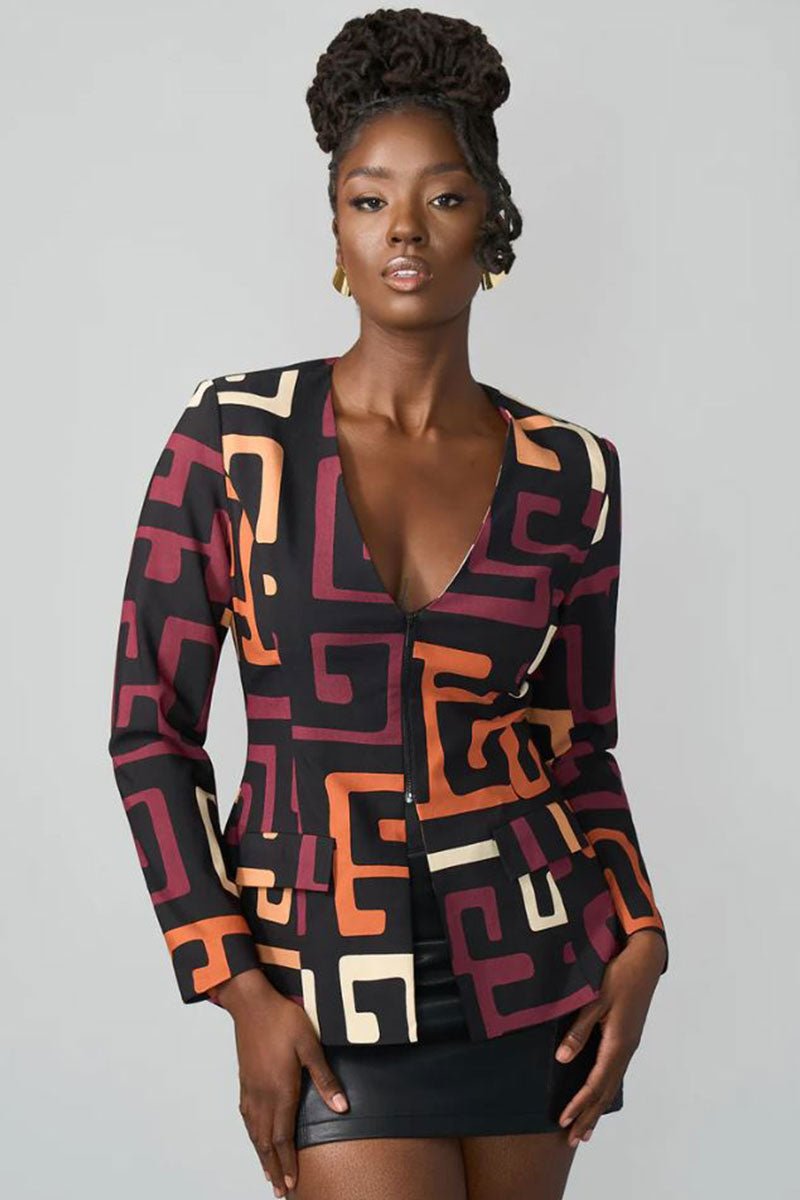
Pick one standout item, like an Ankara jacket, kente skirt, or printed dress, and let it lead the look.

2) Use neutrals to let the print speak
Black, ivory, denim, and simple knits create breathing room around bold prints.

3) Accessorize with meaning
Jewelry and headwraps can be subtle, everyday nods to culture, especially when you want a quieter look that still feels grounded.
 Shop Jewelry and Accessories
4) Dress for the occasion, not the stereotype
African-inspired fashion is not only for special events. Styling it casually is part of modern empowerment. It is heritage that lives in your Monday, not just your holidays.
5) Make it yours
The most empowering outfits are not “perfect.” They are personal. Your styling choices become your signature, and that signature becomes confidence over time.
FAQs
Is International Women’s Day part of International Women’s Month?
International Women’s Day is observed globally on March 8, and many brands and communities use the full month of March to spotlight women’s stories, achievements, and leadership.
Is African-inspired fashion only for formal occasions?
No. Many people style African prints casually with tees, denim, sneakers, and simple layers. One statement piece is enough.
How can I wear bold prints without feeling overwhelmed?
Start with one printed item and keep the rest neutral. Balance is the goal. Let the print shine while the outfit stays clean.
Why are headwraps so meaningful across the diaspora?
Headwraps have carried layered meaning, including identity, beauty, tradition, and resistance. In places like colonial Louisiana, laws tried to control Black women’s appearance, and women transformed headwrap styling into self-expression.
Conclusion: Celebrating women’s stories you can wear
International Women’s Month is about visibility, celebration, and forward motion. It is also about honoring the tools women have used to claim space, build community, and lead with pride. Fashion is one of those tools.

Shop Women's African Print Head Wrap/Scarf (Blue Flame Tribal)
African women across the diaspora have always known this. What you wear can be armor, celebration, memory, and message, all at once.
Ready to style your story this month?
Explore pieces that blend heritage and modern wearability.










Leave a comment
This site is protected by hCaptcha and the hCaptcha Privacy Policy and Terms of Service apply.